Department of Pathophysiology of Breathing and Sleep-Related Respiratory Disorders
Section of Pathophysiology of Breathing
The Department of Pathophysiology of Breathing at the Institute is a modern center for timely diagnosis, monitoring, and assessment of therapy efficacy in patients with respiratory diseases.
Comprehensive functional lung diagnostics is performed daily: spirometry with bronchodilator testing, body plethysmography (static volumes and airway resistance), measurement of diffusing capacity for CO (assessment of the alveolar membrane and interstitial diseases), bronchoprovocation testing (asthma diagnosis), arterial blood gas analysis and acid-base status, impulse oscillometry, and cardiopulmonary exercise testing. The department also conducts preoperative assessments for thoracic and other surgical branches, as well as evaluations of work capacity.
The department actively participates in scientific research and the organization of professional courses for medical staff from the region. The priority is to provide patients with the highest level of diagnostic reliability, and clinicians with precise parameters for optimal treatment and monitoring of pulmonary diseases.
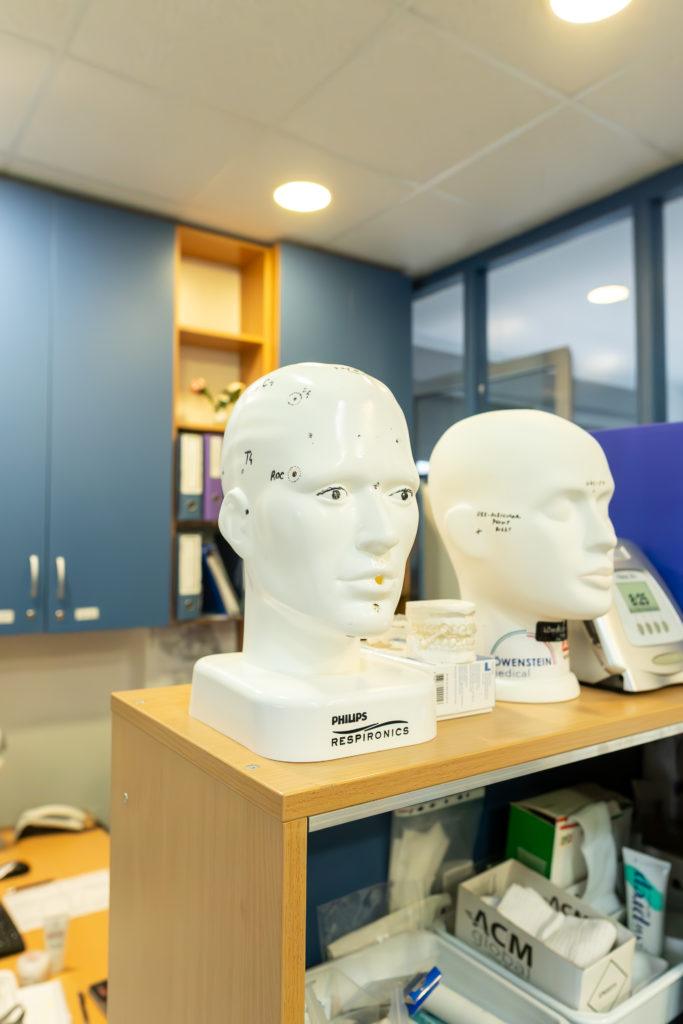
Department of Sleep-Related Respiratory Disorders
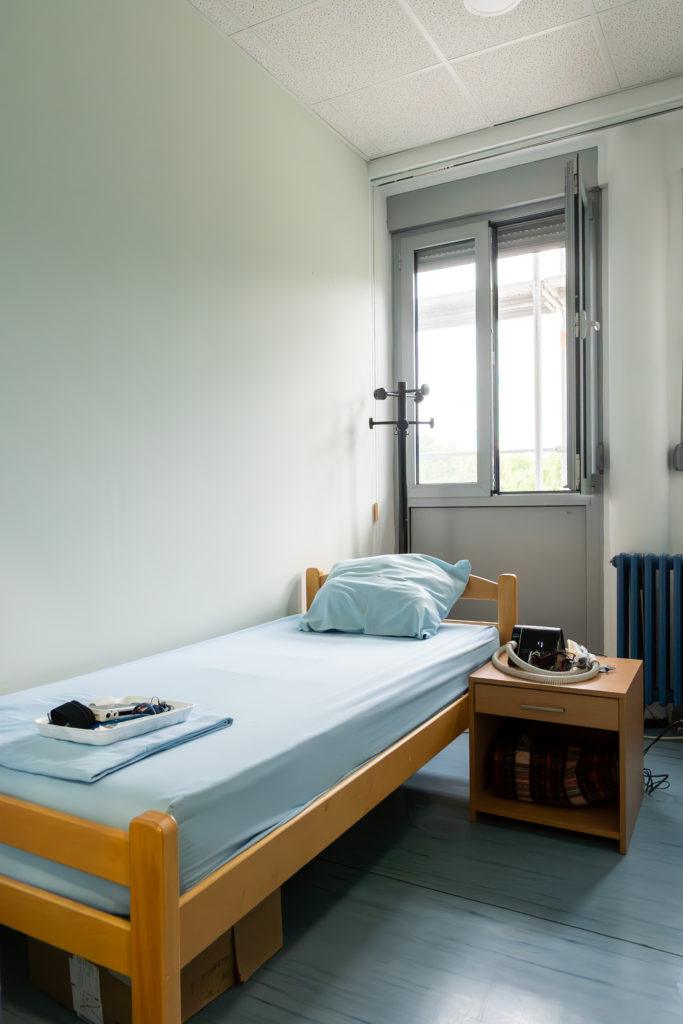
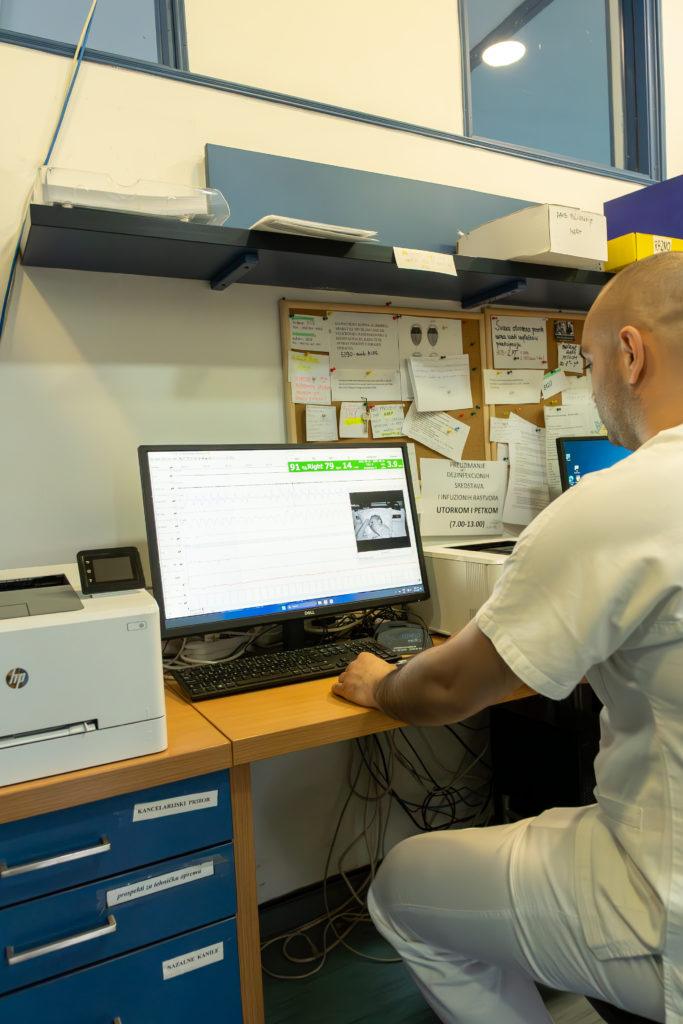
The Department of Sleep-Related Respiratory Disorders specializes in the diagnosis and treatment of breathing disorders during sleep, with a particular focus on sleep apnea syndrome. We approach each patient individually, as part of a multidisciplinary team of physicians, medical technicians, and nurses.
Sleep apnea is characterized by complete or partial interruptions of breathing due to airway obstruction or reduced activity of the central nervous system. Typical symptoms include loud snoring, waking with a feeling of suffocation, morning fatigue and headache, daytime sleepiness, poor concentration, and forgetfulness. Major risk factors include obesity, older age, genetic predisposition, craniofacial anomalies, and hormonal imbalance.
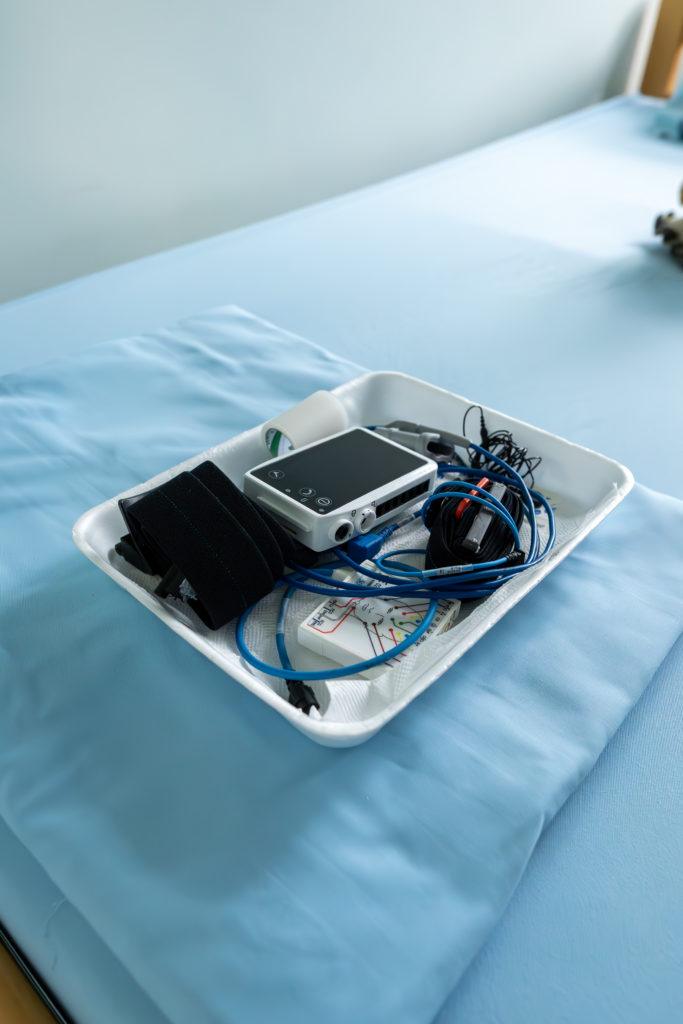
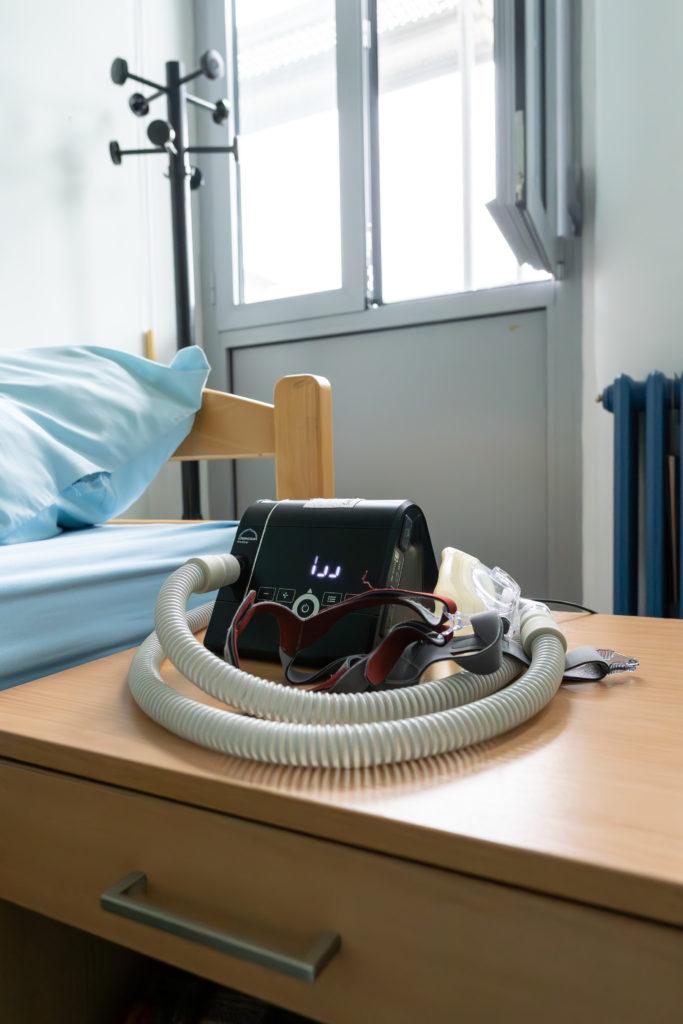
Diagnosis is established through poly(somnographic) examination – a non-invasive procedure that monitors respiratory events, oxygen saturation, respiratory muscle movements, and heart rate. Based on the results, an individualized therapy is created; positive airway pressure (PAP) is most commonly applied, which effectively alleviates symptoms and enables normal sleep.
The department collaborates with experts from various fields of medicine for a comprehensive approach to treatment. The goal is to continuously improve the quality of services, educate patients, and promote a healthier lifestyle to achieve a lasting improvement in sleep quality.