Clinic for Tuberculosis and Interstitial Lung Diseases

Head
MSc. Med.
Svetlana Jovanović, MD

Head Nurse
Dara Gligorević
The main activities of the Clinic are the diagnosis and treatment of lung interstitial diseases, among which the most common is idiopathic pulmonary fibrosis, as well as the diagnosis and treatment of granulomatous diseases, with the two most common being sarcoidosis and tuberculosis. Currently, tuberculosis accounts for only about 15% of the Clinic’s capacity, thanks to a reduction in the incidence rate of this disease to 14/100,000 in Vojvodina over the past 12 years.
The Clinic for Granulomatous and Interstitial Diseases has a capacity of 62 beds. It has 17 patient rooms, of which 7 are six-bed and 10 are double-bed rooms. Each room has its own bathroom, and all patient rooms are equipped with central oxygen and air conditioning units. During 2016, the clinic treated 1,159 patients who accumulated 19,483 patient days, with an average length of stay of 17 days.
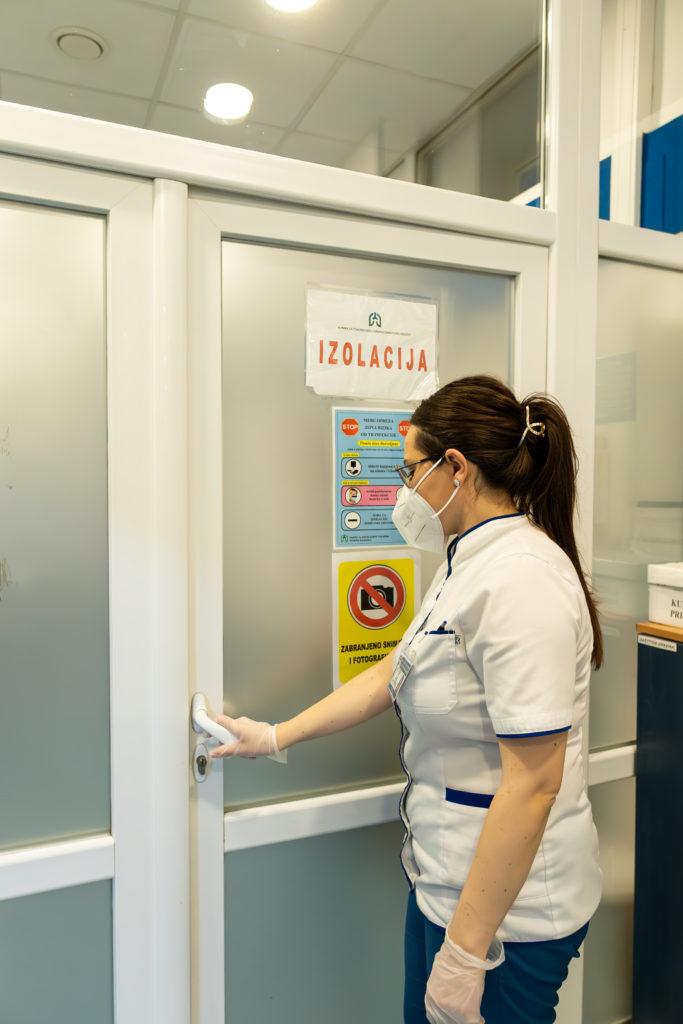
In October 2014, the Department for Isolation of Infectious Tuberculosis Patients was established, consisting of 3 patient rooms with a total capacity of 9 patients. This Department is physically separated from the rest of the Clinic and fully implements tuberculosis infection control measures in accordance with Standard Operating Procedures.
Until April 1, 2015, a ten-year project titled “Tuberculosis Control in Serbia” was underway. All physicians at the clinic were involved in this project as members of the expert team, supervisors, and educators. Training for all staff profiles at the clinic is conducted according to the training plan and program. Special attention was given to education on measures for preventing and controlling nosocomial infections caused by the tuberculosis bacillus, prior to the opening of the isolation department. This training also included all other healthcare and auxiliary workers outside the clinic who, as part of their work, need to enter the department (servers, technical staff, laboratory technicians), as well as patients and their family members.
And upon the completion of the TB control project in Serbia, the physicians at the Clinic play a leading role in the control of this disease in Vojvodina, through educational seminars, special workshops, supervisory visits to institutions in Vojvodina that treat tuberculosis, as well as providing consultative services through the Commission for Granulomatous and Interstitial Diseases.
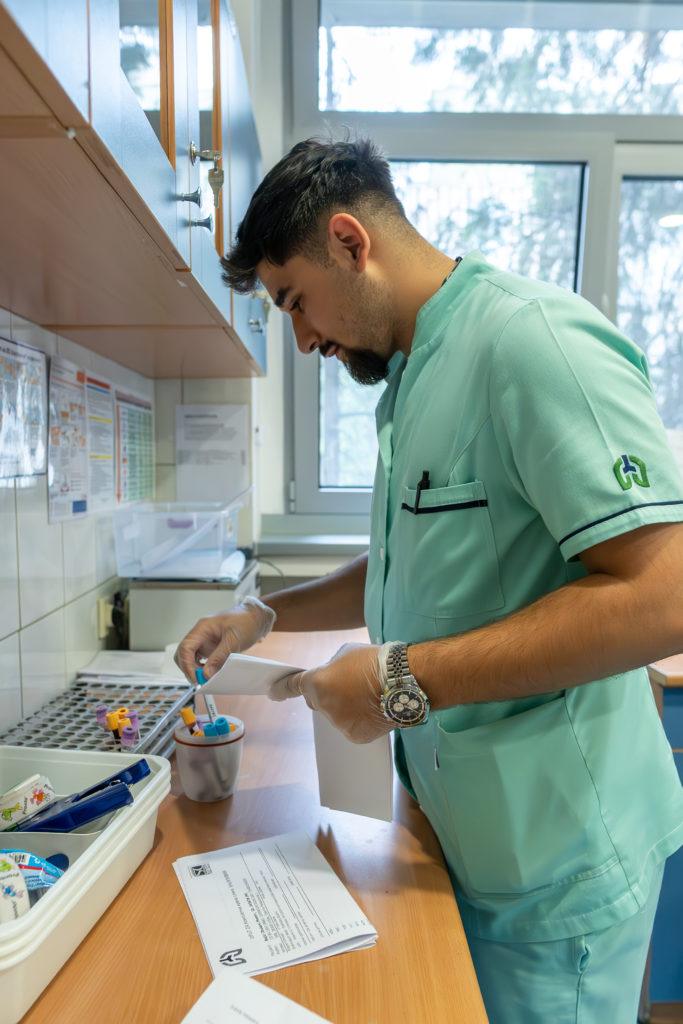
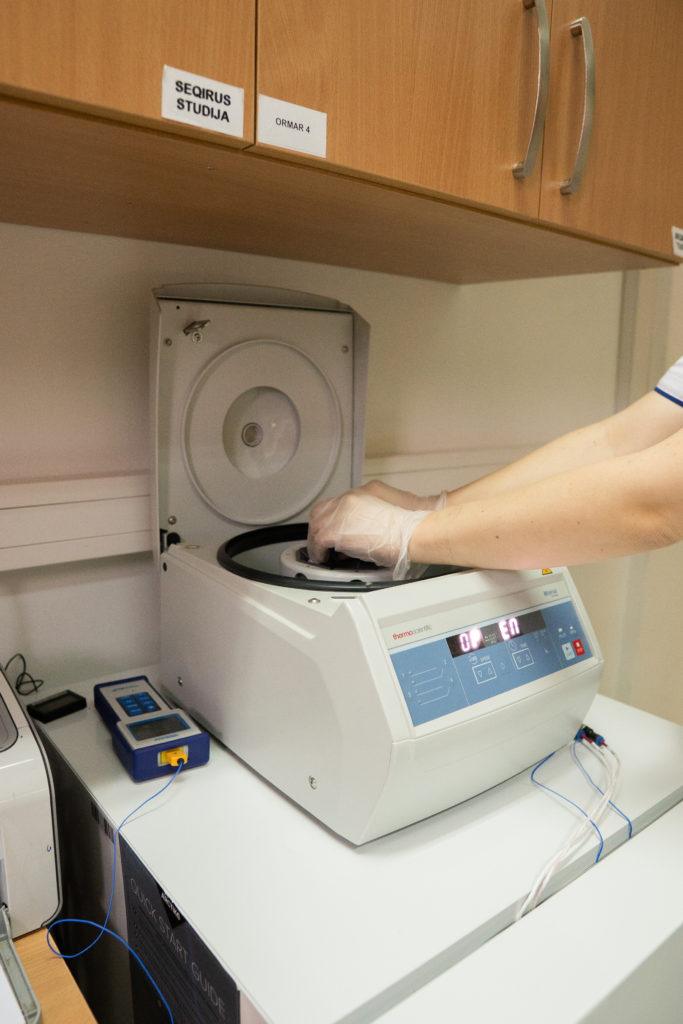
Since January 1, 2015, the Quantiferon test (QFT test) has been implemented at the Institute for Lung Diseases of Vojvodina. This test is used for the detection of latent tuberculosis infection (LTBI). Unlike the PPD test, this test is positive only in cases of active infection with Mycobacterium tuberculosis and not in those who have received the BCG vaccine. The test is conducted in the Immunology Laboratory of the Institute for Lung Diseases of Vojvodina. The advantage of this method of proving LTBI over PPD testing is that only one visit to the laboratory is required, rather than two visits to the physician spaced 72 hours apart as is the case with PPD testing.
Although the Clinic was primarily established for the diagnosis and treatment of tuberculosis, modern trends in the decline of cases in Serbia and Vojvodina have led the Clinic to increasingly focus on the diagnosis and treatment of both sarcoidosis and interstitial lung diseases. As a result, the name of the clinic has also been changed. In these diseases, significant new insights regarding diagnosis and treatment have emerged over the last decade, prompting the clinic’s physicians to further specialize and refine their skills in these areas.
In accordance with this, the recognition of a multidisciplinary approach to the diagnosis and treatment of pulmonary interstitial diseases and the establishment of the Commission for Granulomatous and Interstitial Diseases, composed of clinical pulmonologists/pneumologists from the clinic, a radiologist, and a pathologist, is also emphasized. This Commission makes final decisions regarding the diagnosis and treatment of active and latent tuberculosis, sarcoidosis, and other granulomatous and interstitial diseases. The commission reviews cases of both hospitalized and outpatient patients who may be referred by a regional pneumologist/pulmonologist or a physician from another specialty involved in the treatment of systemic diseases that may affect the pulmonary interstitium (immunologist, rheumatologist, etc.).
All healthcare professionals at the clinic continuously improve their skills in their fields of work through educational seminars, professional meetings, and conferences both domestically and internationally, where they participate not only as listeners but also as active participants by organizing seminars and symposiums, delivering introductory lectures, and presenting oral and poster presentations.
The clinic consists of the following organizational units: Department of Tuberculosis, Department of Interstitial Lung Diseases, and Department of Sarcoidosis.