Clinic for Intensive Medicine and Vascular Lung Diseases
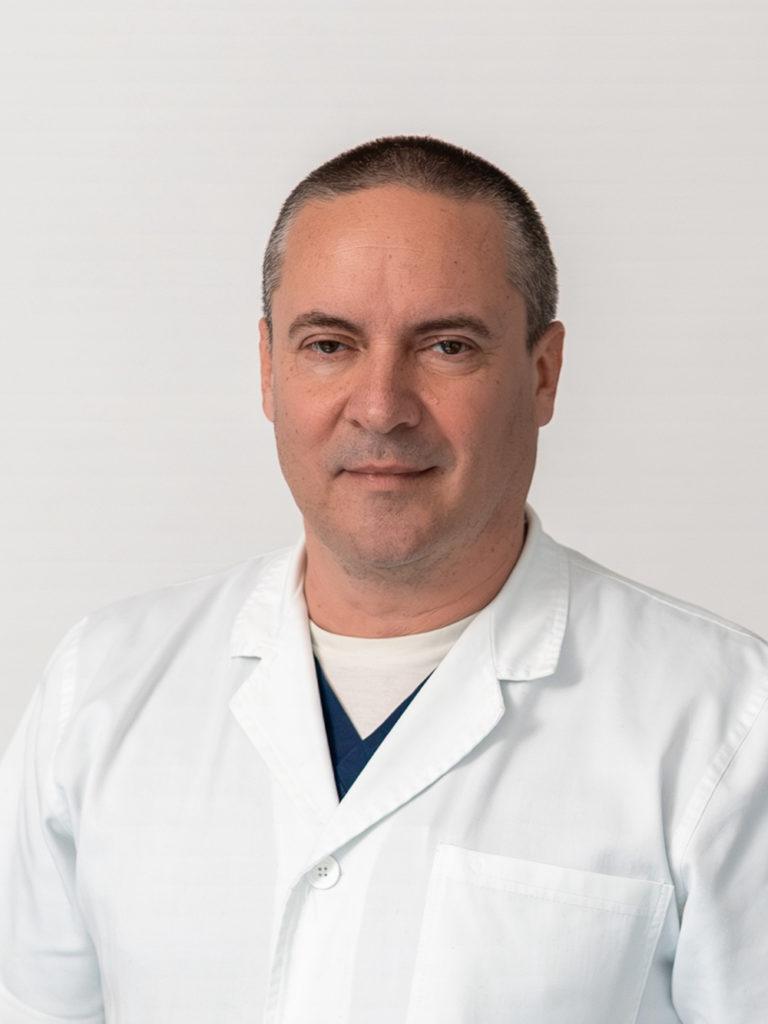
Head
Prof. Dr. Sci. Med.
Jovan Matijašević

Head Nurse
Maja Stanojević
The Clinic for Intensive Medicine and Vascular Lung Diseases represents an organizational unit of the Institute for Lung Diseases of Vojvodina (IPBV) focused on the diagnosis, treatment, and management of critically ill patients and patients with vascular lung diseases. The activities of the Clinic encompass intensive medicine, treatment of acute and chronic respiratory failure, pulmonary hypertension, and pulmonary thromboembolic diseases, as well as the implementation of modern interventional and therapeutic procedures.
The Clinic consists of the following organizational units: Department of Intensive Care and Intoxications – Level 3, Department of Intensive Care – Level 2, Department of Pulmonary Hypertension and Chronic Pulmonary Heart, and Department of Pulmonary Thromboembolisms. In addition to clinical work, the clinic actively participates in medical education, scientific research, and the application of modern evidence-based therapeutic strategies in the fields of pulmonology and intensive medicine.
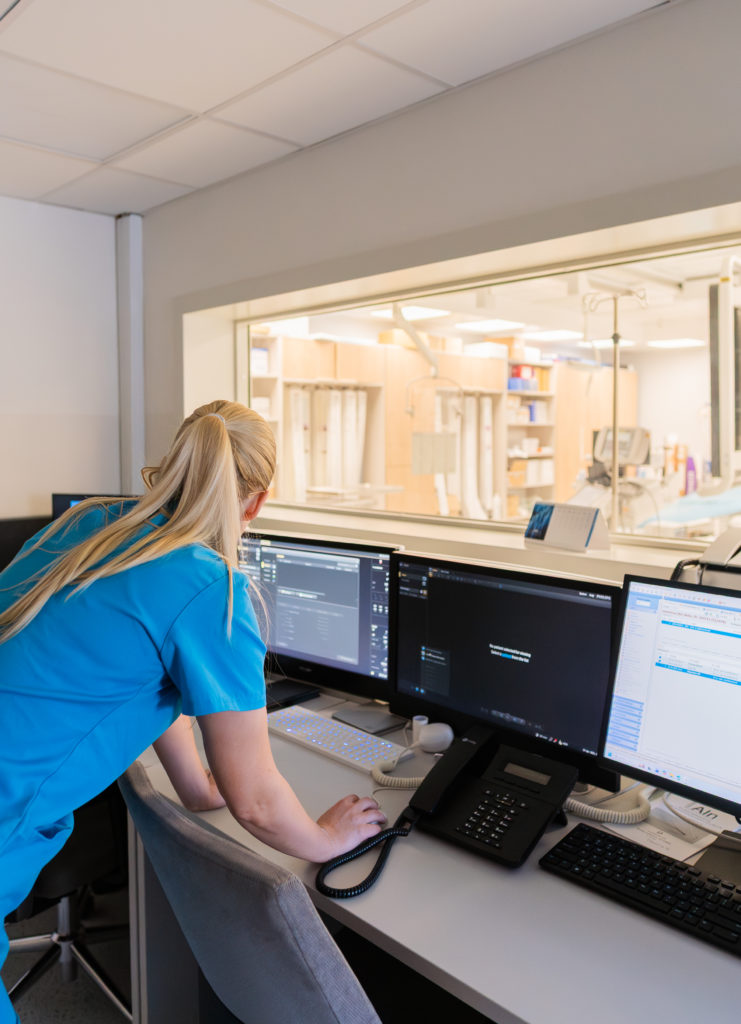
The Intensive Care Unit (ICU) is a highly specialized unit where critically ill patients with dysfunction of one or more organ systems, primarily respiratory and cardiovascular, are treated. The ICU is equipped for comprehensive invasive and non-invasive respiratory support, including advanced modalities of mechanical ventilation, high-flow oxygen therapy, ultrasound diagnostics, hemodynamic monitoring, veno-venous extracorporeal membrane oxygenation (VV-ECMO), continuous renal replacement therapy (CRRT), and individualized intensive treatment. Since 2017, the ICU has been performing VV-ECMO for patients in the territory of Vojvodina.
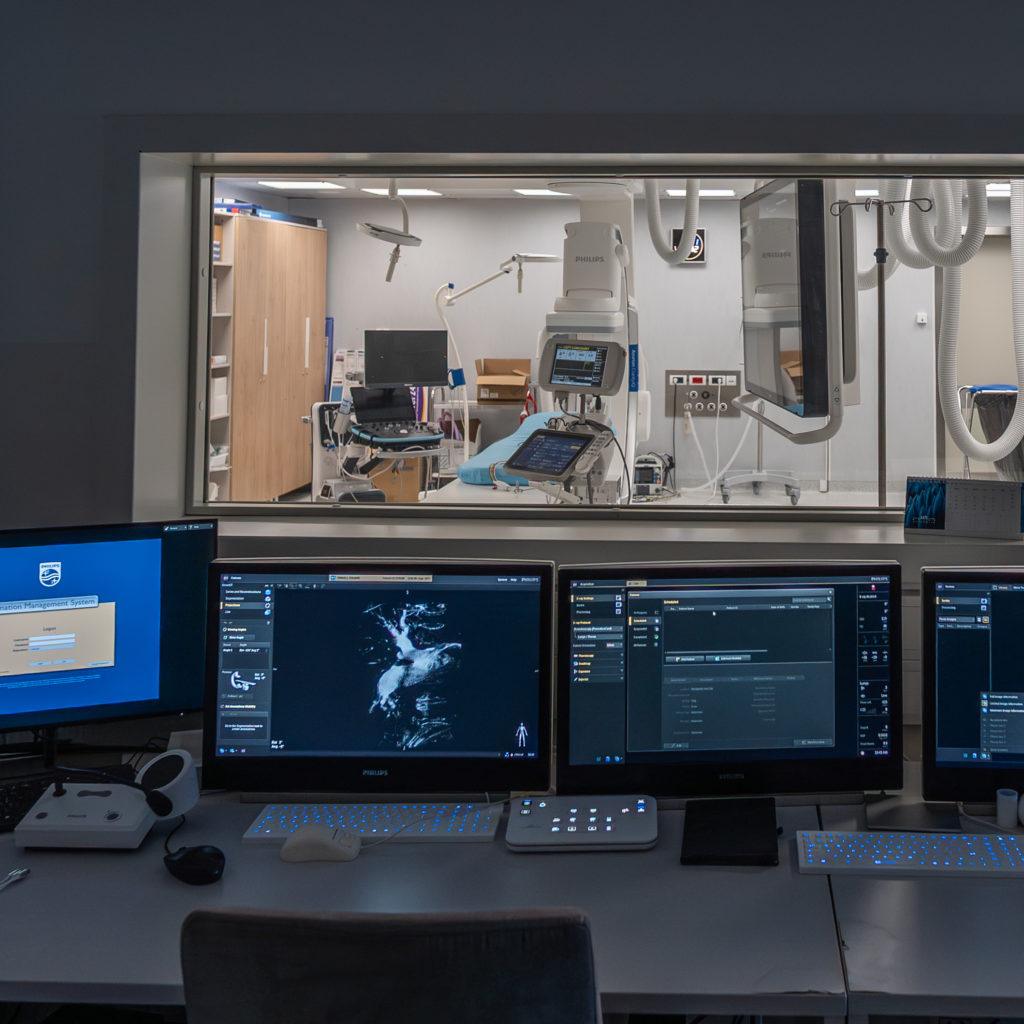
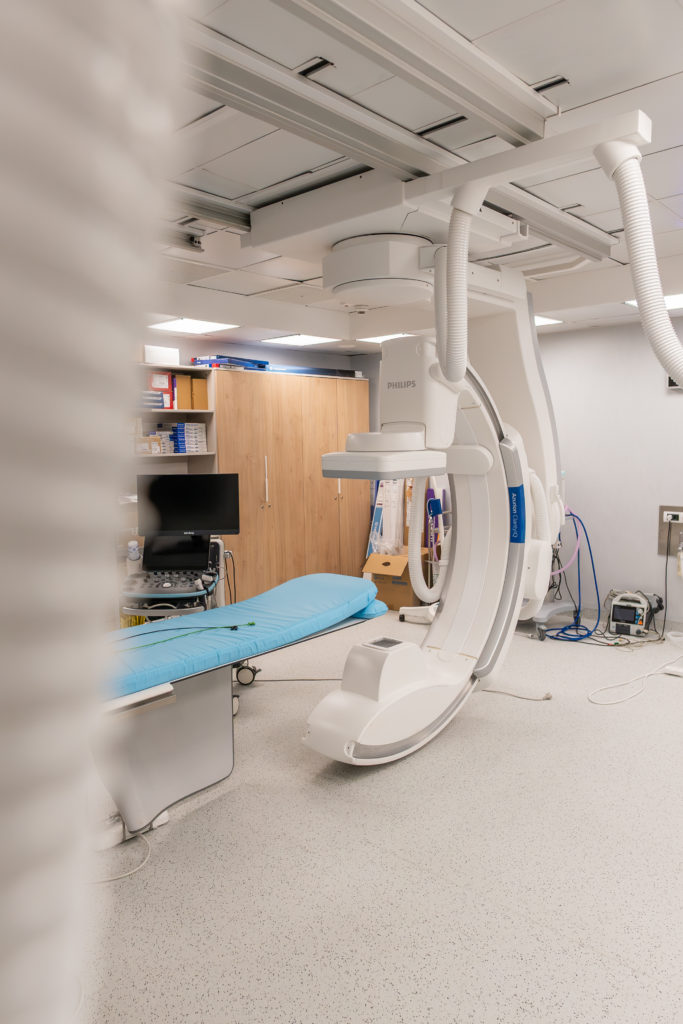
As an integral part of the Department of Intensive Care and Toxicology – Level 3, the Invasive Diagnostics and Treatment Cabinet enables the performance of a wide range of diagnostic and interventional procedures (right heart catheterization, pericardiocentesis, Port-a-Cath system implantation, vena cava filters, cava stents, ECMO catheter placement and ECOS catheter placement, thromboaspiration, pulmonary angiography with oximetric assessment, thromboaspiration procedures, and other endovascular and invasive procedures related to the treatment of pulmonary thromboembolism and pulmonary vascular diseases.
Clinical Activities
The department is dedicated to the management of patients with the following pathological conditions:
- Acute and chronic respiratory failure
- Community-acquired and hospital-acquired pneumonia
- Acute respiratory distress syndrome (ARDS)
- Exacerbations of chronic obstructive pulmonary disease (COPD) and interstitial lung diseases
- Pulmonary thromboembolism
- Pulmonary hypertension
- Sepsis and multiple organ dysfunction associated with pulmonary diseases
- Respiratory complications following interventions and surgical procedures
- Chronic respiratory failure associated with neuromuscular diseases, particularly amyotrophic lateral sclerosis (ALS) and other progressive neuromuscular disorders
The High Dependency Unit (HDU) represents an intermediate level of care designed in accordance with European standards and provides the capability for continuous monitoring of vital parameters, including the hemodynamic profile of the patient. In the Intensive Care Unit, Level II, non-invasive ventilation is also applied according to indications, following the protocol of the European Respiratory Society.
The HDU plays a significant role in:
- Early recognition of clinical deterioration
- Continuation of treatment after intensive therapy
- Optimization of chronic respiratory therapy
- Periprocedural and post-interventional monitoring.
Special attention is given to patients with chronic respiratory failure due to neuromuscular diseases. The department provides multidisciplinary assessment and long-term respiratory support strategies, techniques for secretion clearance, and optimization of ventilatory support in home settings in collaboration with neurologists, rehabilitation, and palliative care services.
The department provides specialized diagnostics and therapeutic management of pulmonary hypertension in accordance with modern international guidelines.
The program includes:
- Comprehensive diagnostic evaluation
- Transthoracic echocardiographic and hemodynamic assessment
- Collaboration in performing right heart catheterization
- Risk stratification and therapy optimization
- Long-term outpatient follow-up
Within the department, patients with pulmonary arterial hypertension (PAH) are specifically diagnosed and treated. The diagnosis and monitoring of these patients are conducted in accordance with global guidelines and in collaboration with other centers in the country and abroad (Clinical Center of Serbia, AKH Clinic in Vienna). The majority of diagnostic procedures can be performed in a short time, including right heart catheterization, which is the ‘gold standard.’
The Department of Pulmonary Thromboembolism provides rapid diagnostic assessment and treatment of acute and chronic pulmonary thromboembolic diseases.
Clinical activities include:
- Therapeutic approach to acute pulmonary thromboembolism based on risk assessment
- Systemic anticoagulant treatment in patients not belonging to the high-risk group
- Long-term management and optimization of anticoagulant therapy
- Monitoring of patients with chronic thromboembolic pulmonary hypertension (CTEPH)
Since venous thromboembolism occurs as a complication of other diseases, surgeries, trauma, infections, malignancies, and thrombophilia, there is close collaboration with other clinics of the Institute, clinics of the Clinical Center in Novi Sad, and the Hemostasis and Thrombosis Service.
As a university clinical institution, the Clinic actively participates in:
- Basic and postgraduate medical education
- Specialist and subspecialist training
- Clinical research projects
- International scientific collaboration
- Implementation of evidence-based protocols
The Clinic is dedicated to continuous professional development and the advancement of pulmonology and intensive care medicine.
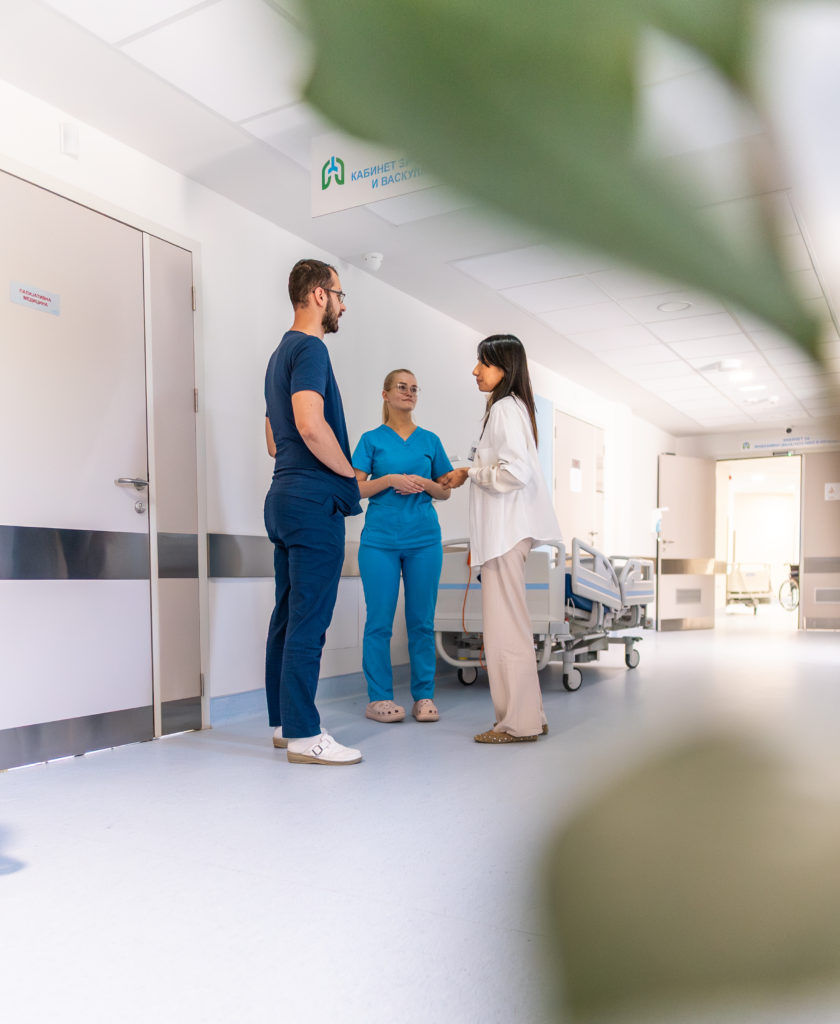
Patient treatment is based on a multidisciplinary approach that includes intensivists, pulmonologists, intensive care nurses, physiotherapists, and other healthcare collaborators.
This organization enables comprehensive care for critically ill patients with complex respiratory and pulmonary vascular diseases.